








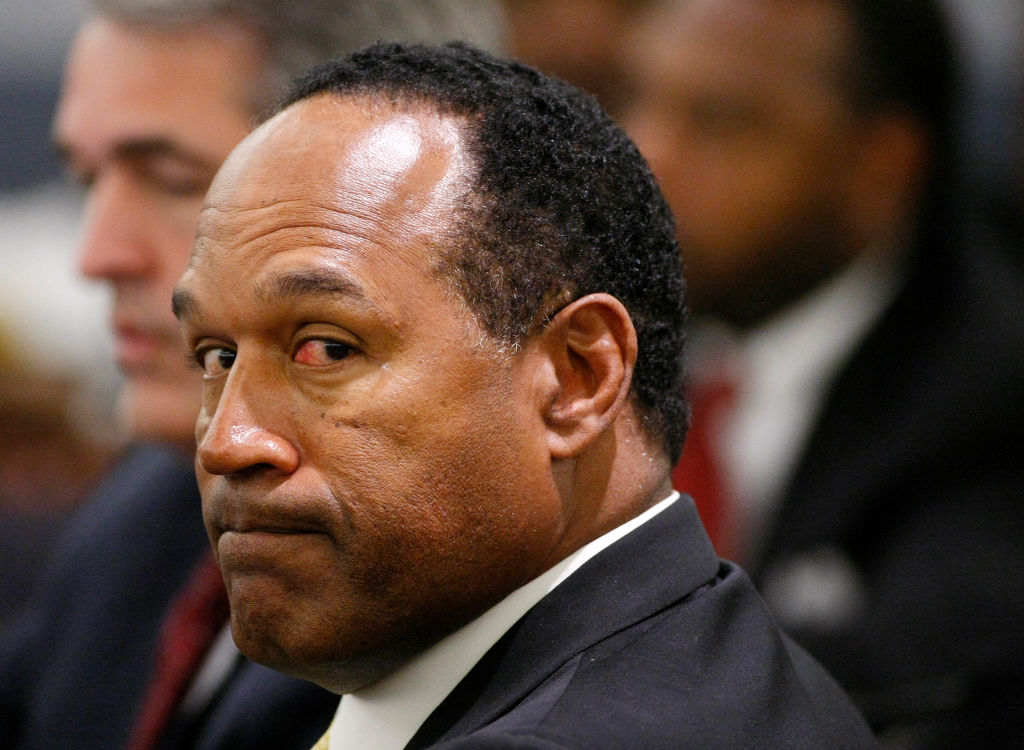













President Barack Obama is expected to lift restrictions Monday on taxpayer-funded research using embryonic stem cells. (AP)
Along with resurrected international respect for the United States, concern for the Have-Nots and the introduction of “flava” to the White House, let us welcome another dividend of the Obama presidency: The recouped appreciation of science.
The Bush administration treated science like a pariah – at least when it conflicted with the profits and conveniences of big business or the president’s other pet interests. In their eight years at the helm of government, the Bush crowd denied the reality of global warming and humankind’s contributions to it; tinkered with environmental regulations so that the legal levels for certain toxins were higher than the levels where land, sea, air and life are actually in danger; and deep-sixed federally sponsored embryonic stem cells research beyond the limited collections that existed when he announced the ban in the summer of 2001.
And this was the guy that proposed going to Mars. No wonder.
Thankfully, we now have a president who appreciates science and uses it to inform his politics rather than rely on ideology. By reversing Bush’s kibosh on stem cell research, he allows science – the discipline that has, for the most part, made our lives safer, healthier and more facile – to delve into an area that has the potential of saving or repairing millions of lives. The staples of modern life - from skin grafts and bypass surgery to cars, cells phones and microwave ovens - are all gifts of science.
Fortunately, Bush’s directive did not dry up experimentation entirely. Since he could only limit researchers who took federal funds, private research continued during the long, dry spell, producing at least one innovation that is promising. During the drought, a Japanese scientist took skin cells and turned them into a kind of stem cell nearly as good as embryonic ones (Ironically, the developer is from Kyoto, birthplace of the global warming treaty that the U.S. has refused to sign.).
But even that proud and accomplished scientist has said his creation will not replace the powerful embryonic stem cell. So, the scientific community still has its work cut out.
Apparently, it’s ready. The president’s order gives the National Institutes of Health 120 days to come up with new regulations for federally funded stem cell research. NIH says it won’t need that much time.
Just as untold numbers of Americans fell despondent when Bush announced the ban on research, there will be widespread rejoicing over this news. People with Alzheimer’s and Parkinson’s or paralysis; paraplegics and quadraplegics; diabetics, even cancer victims will have new hope.
Only time will tell whether it pays off so that the super-versatile embryonic cells can be implanted and reinvigorate tissues or organs, giving millions of lives a new lease. But, for now, there is at least hope and, if you’ve ever been in a predicament with no fix in sight, you know what a lifeline hope can be.
It was, after all, the thing that carried a good many of us through the just-expired dark days when science was regarded as treason.
----------------------------------------------------------------------------------------------------
----------------------------------------------------------------------------------------------------
----------------------------------------------------------------------------------------------------